If you are thinking of
re-selling your home in the future, consider making some upgrades that will
increase the value of your property. Some updates will not cost you a fortune
but have the potential to increase the value of your property significantly.
Does painting the
garage floor add value? Yes, it does; it
will not only add to the beauty of your garage and your home, but it will also
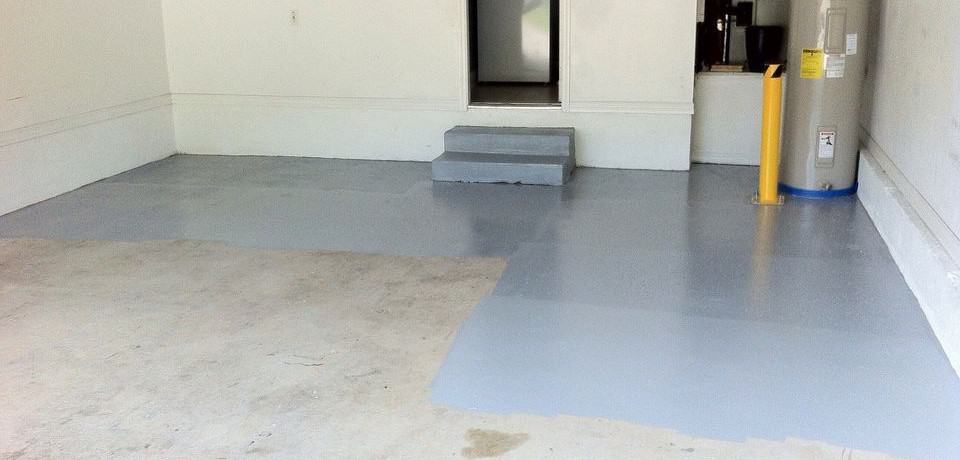
increase the value of your home. Painting the garage floor improves the
appearance of your property, makes it resilient to spills and tire marks, and
hides flaws such as holes and scratches.
Painting your garage
floor can be an exciting remodeling project. However, it is essential to
understand how to paint the garage floor, the type of paint to use, and what to
consider when buying paint for your garage floor.
How Painting the Garage Floor Increases the Value of Your Home
There
are many benefits of painting your garage floor. However, many homeowners paint
their garage floors mainly because:
It improves the
appearance of their homes
It increases the
value of their properties
For
many homeowners, the garage floor provides more than just storage space for a
car or other items. It is a functional space that adds to the overall value of
their homes.
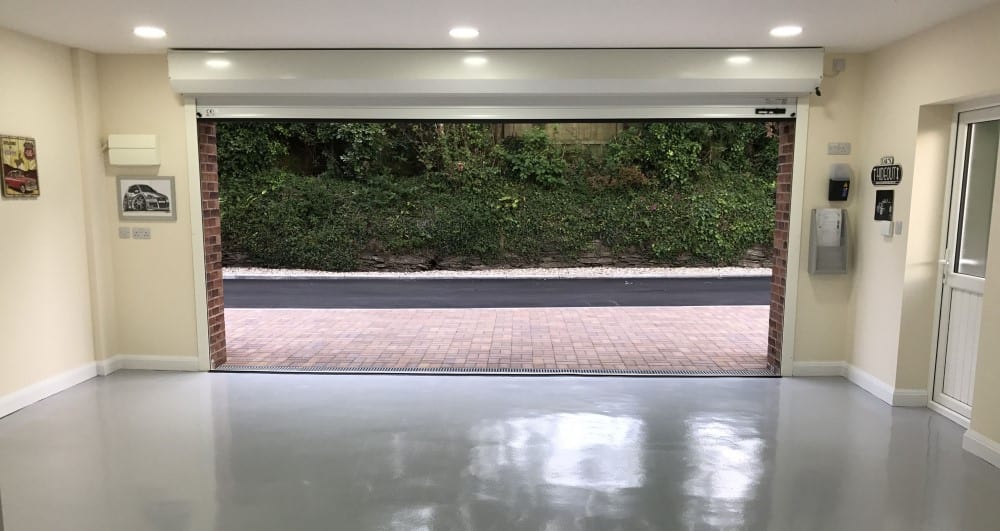
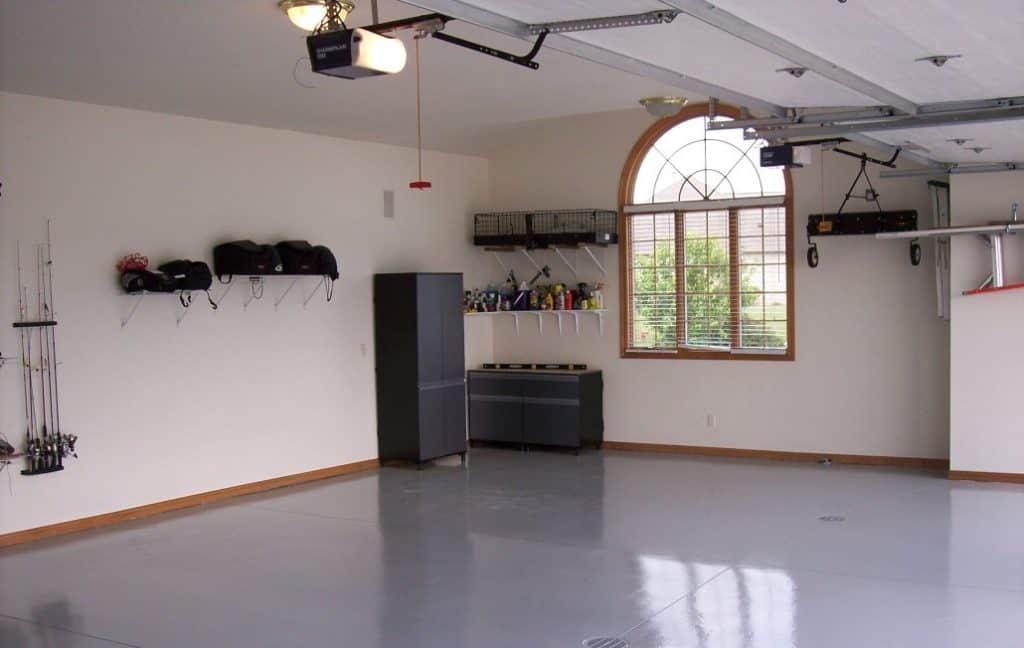
Painting the garage floor is one of the best ways to transform an ordinary looking space into an aesthetically pleasing section of your home. When it comes to the base coating, homeowners can choose from a wide range of layouts, colors, and designs.
[googleadsycc adunit=”inarticle”]
Consider using garage
floor coating that provides slip resistance. In addition, the paint should be
resistant to destruction by UV rays.
Factors to Consider When Buying Garage Floor Paint
There
are different types of paint you could use on your garage floor. Each type has
distinct advantages and disadvantages.
Consider
various factors when shopping for paint for your garage floor.
Floor Area
Consider
the area of the floor to be painted when shopping for paint for your garage
floor. Consider measuring your garage floor to get an accurate representation
of the area of the floor that needs painting.
Remember, the coverage
promised on the lid, is for one coat. Therefore, divide the coverage by two if
you plan to add a second layer of paint.
Heat
Resistance
Choose
garage floor paint that is designed to resist hot tire pick up, which occurs
when paint loses its adhesive property and begins to lift.
Hot
tire pick up usually occurs when you park your car in the garage on a hot day.
The heat between the tires and the floor could cause the paint to start
lifting.
The hot tire pick up may transfer to your tires and cause your floor to have bald patches. Buy garage floor paint that is resistant to hot tire pick up.
[googleadsycc adunit=”inarticle”]
Appearance
Painting
the garage floor is more about improving the appearance of your garage, which
increases the overall value of your home. There is a whole range of finishes
for you to choose from.
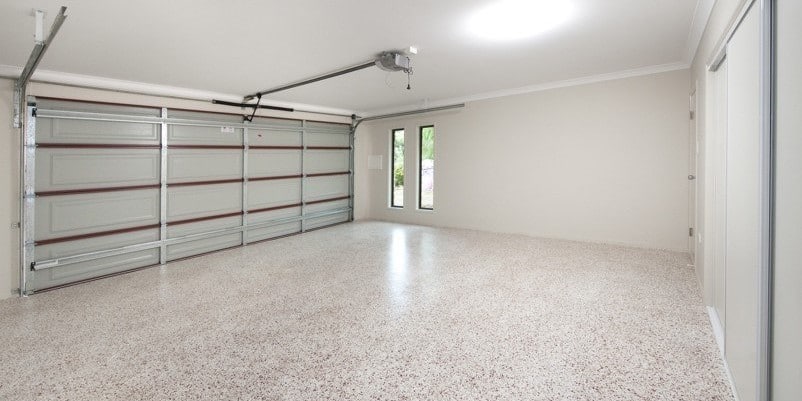
Epoxy style floor paints are becoming increasingly popular for painting garage floors because they allow you to add decorative elements. In addition, they come with colors that they dry into.
Durability
Choose
paint that provides a durable finish. Garage floor paints offer varying rates
of durability.
Although
you do not need the most robust product on the market, choose a paint that will
last for many years. The more durable the paint is, the higher its price tag is
likely to be.
The type of paint to
use on your garage floor all depends on the level of traffic in the garage. If
you drive in and out of your garage often, choose a paint that can withstand
the traffic.
If you use the garage
less often, durability may not be the primary consideration. Instead, color,
style, and price may take priority.
Chemical
Toughness
The floor paint you
choose for your garage should not only be physically durable, but it should
also be chemically tough. If you work with various chemicals inside your
garage, consider choosing floor paints that can withstand the chemicals.
Chemicals such as
cleaning agents, motor oil, solvents, and gasoline may damage some floor paint.
[googleadsycc adunit=”inarticle”]
Importance of Painting the Garage Floor
The two main reasons
why some property owners paint their garage floors is to increase property
value and improve the appearance of their homes. However, there are many other
benefits of painting your garage floor.
Protection
from Dust
Painting the garage floor protects your home from dust. This is true, especially if your garage floor is made of concrete.
Unpainted
concrete surfaces usually attract or create dust. Painting the garage floor
prevents the accumulation of dust on the floor and prevents you and other
family members from walking into the house with the dust.
General Floor
Protection
Cars parked in the
garage can leak different types of fluids, including motor oil and windshield
fluid. These fluids can damage unpainted garage floor surfaces.
It is essential to say
that painting the garage floor does not negate the need to clean your garage
floor, especially when you notice fluids leaks.
Aesthetic
Appeal
The
average cost of building a garage may range between a few thousand dollars to
millions of dollars. Even if you already have a garage, the cost of building
one gives you an idea of their value.
Like any other part of
the house, the garage is highly significant. Therefore, it deserves some TLC,
just like the rest of your house.
[googleadsycc adunit=”inarticle”]
Paint Types for the Garage Floor
You
could use three types of paint on your garage floor:
This
is the most basic type of paint you could use on your garage floor. The
advantages of standard paint include:
It is affordable
It is available in a
wide range of colors
Although
this type of paint may not offer durability, it is suitable for garages with
low traffic. If you are going to use standard paint on your garage floor, just
know that you may have to repaint the floor pretty soon.
Epoxy Paint
This
type of garage floor paint offers some of the benefits of standard paint and
two-part epoxy paint. Unlike regular paint, this type of paint contains epoxy.
Although
epoxy paint may not last for as long as two-part epoxy paint, it is more
durable than standard paint. Some of the advantages of epoxy paint include:
More affordable than
2 part epoxy paint
Low maintenance
Available in a wide
range of colors
Easy to install
2 Part Epoxy
Paint
The
name of this type of paint stems from the fact that it contains epoxy and
polyamine hardener. This paint is both physically and chemically tough and,
therefore, highly durable.
Although
it does not provide the wide color range of standard paint, it allows you to
add decorative elements, including colored chips and particles.
The
average time it takes to paint a two-car garage varies depending on the type of
paint you use. Epoxy paint will not take long to install on a two-car garage.
However,
preparing the floor may take longer than the actual painting. The floor must be
super clean before you open the can of paint.
Once
the floor is ready, you can paint the entire garage floor in less than a day.
However, it may take longer for you to walk on your new garage floor.
Check
the manufacture instructions on the can for additional information on how to
use the paint.
Having gutters on your house can sometimes be
an overlooked aspect, especially as a new homeowner. Then, putting gutters on
your garage on top of that seems like an unnecessary requirement. It can be
tempting to skip putting gutters on your garage, but you should know the
impacts that can have in the long term first.
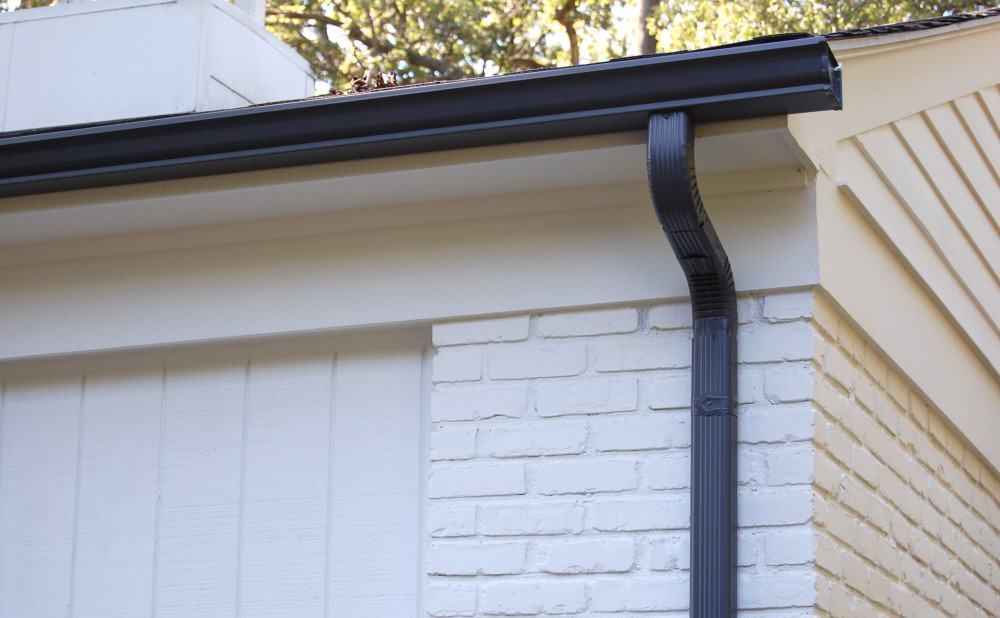
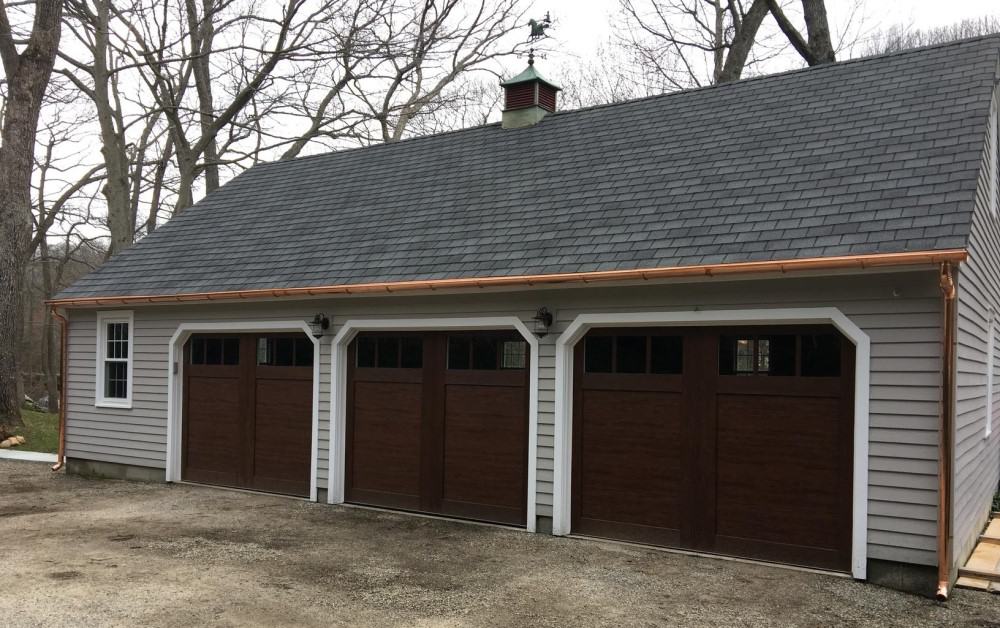
Do garages really need gutters? Yes. Garages need gutters for the same reasons houses should have them. Gutters help to prevent soil erosion, foundation damage, siding rot, and potential leaking or flooding.
Excessive water draining from the roof can
cause damage to your garage and the foundation during heavy rainfall and
overtime with frequent rain. In this article, we will discuss some of the main
problems that can arise without gutters, types of gutters for different
garages, and other general considerations when deciding on garage
gutters.
Do Garages Really Need Gutters?
No matter if your garage is attached to your house, built on a concrete slab, or has a full foundation detached from other buildings having gutters is the best way to direct water away from the structure and foundation. Many homeowners naturally install gutters on their garage when it is attached to their house, but it can be easy to overlook a detached building.
It does take time to see the effects of not having rain gutters and downspouts on your garage, but when the issues do start to arise, they will be expensive to fix. Problems can also occur when your gutters get clogged and are unable to drain properly. So, if you have gutters on your house or garage and they’re not redirecting the water flow properly, it can cause the same issues we will talk about below.
[googleadsycc adunit=”inarticle”]
Problems Caused by Roof Drainage
The primary issue that can be brought on by
overflowing gutters or no gutters at all is damage to the building’s foundation
from soil erosion. While this is usually the worst outcome of roof water
runoff, it is not the only concern. Knowing the impacts this seemingly small
building aspect can have is a compelling factor when deciding whether or not
gutters are worth it.
Soil Erosion
As mentioned above, the foundation of the
building will take the brunt of the damage. This damage will occur slowly, over
time, unless there is a major water event. The water that drains off the roof
of your garage will fall directly to the side of the house, causing erosion.
The erosion will first appear as small trenches along the exterior of the
building.
Eventually, depending on the location of the
garage and the slant of the land, the water runoff can impact your garden beds,
landscaping, and cause the foundation to settle. When the foundation of a
building starts to settle, you will begin to notice uneven floors or even
cracked walls as a result.
If you have a garage connected to the house
with a concrete driveway, you may not have the same impact as a detached garage
or garage with an unpaved driveway. However, there will still be locations on
the other sides of your garage that will be more drastically impacted. You also
will need to account for the direction of water flow that comes off the
driveway and if that needs to be redirected to prevent flooding in areas of
your yard.
Under Door Leaks
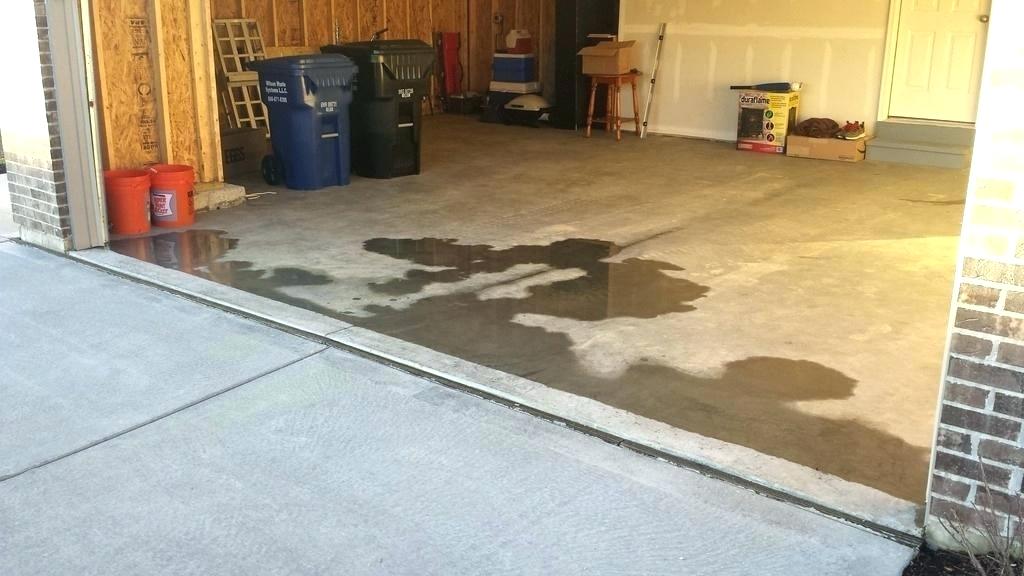
Another common issue that garage owners face when they don’t have gutters is leaking under the garage and other entrance doors. This can sometimes be addressed by installing bottom seals on all of the doors, but that is only a temporary fix.
The reason that water is leaking into the
garage is that when it rains, there is nothing to redirect the water away from
the sides of the building. Just like the erosion mentioned above, this leaking
will likely take time to appear and will worsen over time.
[googleadsycc adunit=”inarticle”]
As the trenches around your garage become
deeper due to erosion, the water will also begin to pool in certain areas. When
the water is unable to be distributed, these pools can potentially cause leaks
under the garage doors. The issue of leaking under doors may be less noticeable
if you have a paved and slanted driveway.
Siding Damage
Damage to the siding will be highly dependant
on how far the roof extends out away from the building. Water can potentially
drain off the roof and down the side of the building instead of directly to the
ground around the foundation.
When the water chooses the siding as its path of travel, this can take the paint off of the siding and cause wooden panels to rot. If you have vinyl or metal siding, it may not cause rot, but it will add some unpleasant looking algae stains.
Water Dripping at Entry
While this issue may not cause direct damage
to the building, it isn’t enjoyable to the people that come in and out of the
garage frequently. When you don’t have gutters and water is running off the
roof, you will most definitely experience more dripping at entrances. If you
are experiencing heavy rain, this can mean walking through a small waterfall
when you enter and leave the garage.
[googleadsycc adunit=”inarticle”]
Type of Garage
Many homeowners that have a garage attached to
their home automatically install gutters when they install them around their
house. They may opt to skip the driveway potions to cut some costs, but that is
relatively uncommon. If you have a detached garage or recently built a
multipurpose garage and shop in the back, gutters may be up for debate.
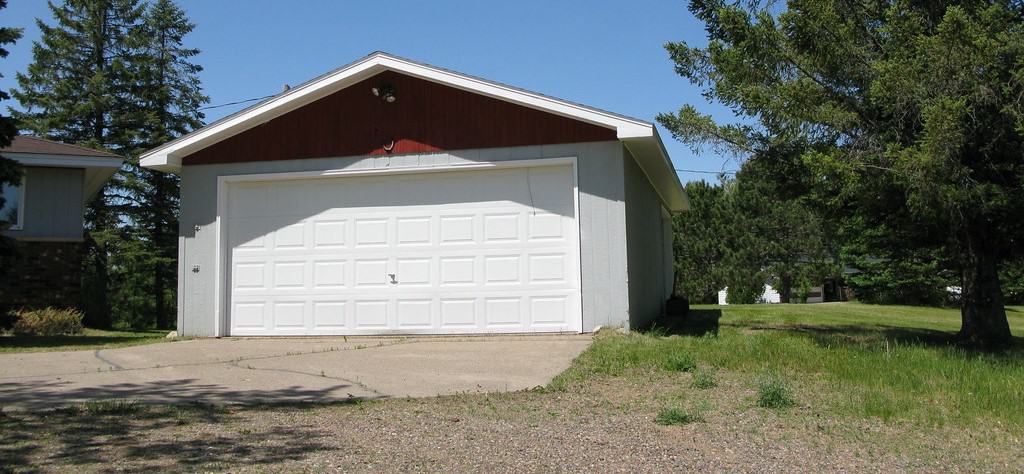
In most instances, a detached garage needs
gutters just as much as an attached one does. While its foundation is not
connected to the house, it may not be as “important” of a feature. However, if
your detached garage serves as a place to keep your car, a workshop, and
possibly storage for yard and garden tools, that is even more reason to have
gutters.
With all of these uses, the building itself
holds a lot of value, and the items inside are likely valuable as well. Keep
your vehicle, tools, and other toys protected from water damage by installing
gutters. Plus, if you ever sell your property, a detached garage with no
foundation or siding damage from lack of gutters is likely to add a lot more
value.
Other Considerations For Garage Gutters
While knowing the potential damages lack of
gutters can cause is important, there are a few other considerations to take
into account when making your garage gutter decision.
Garage Location
This primarily applies to a detached garage.
Some garage owners may choose not to install gutters if the garage is located
far away from other yard features or buildings. While it may damage the garage,
their thinking is that it has a lower likelihood of damaging other aspects of
their property.
So, you should consider if the garage is close to your house or on a hill. Can the slop of the land combined with water runoff from the roof of the garage cause flooding in your basement? Will it potentially damage a patio or deck that is attached? Do you have an outdoor fire pit that would flood from runoff? Are there sidewalks that could erode and crack?
These are all questions to consider when
deciding whether or not having gutters on your detached garage is worth
it.
[googleadsycc adunit=”inarticle”]
Price of Gutters
Another common factor for people when deciding
on gutters is the overall cost. The cost of the gutters will depend on the
materials used, how many feet are needed, and if you’re hiring someone to
install them.
The average cost of aluminum gutters breaks down to be $4-9 per linear foot. However, vinyl gutters run a bit cheaper at about $3-5 per linear foot. This is the cost when it applies to homeowners that are willing to install the gutters and downspouts themselves. If you are hiring a company to install them, you can expect prices to be between $1000-3000 depending on the size of the building with additional downspout installation fees.